A Look Back:
Autism's History
Early Misconceptions and Theories of Autism
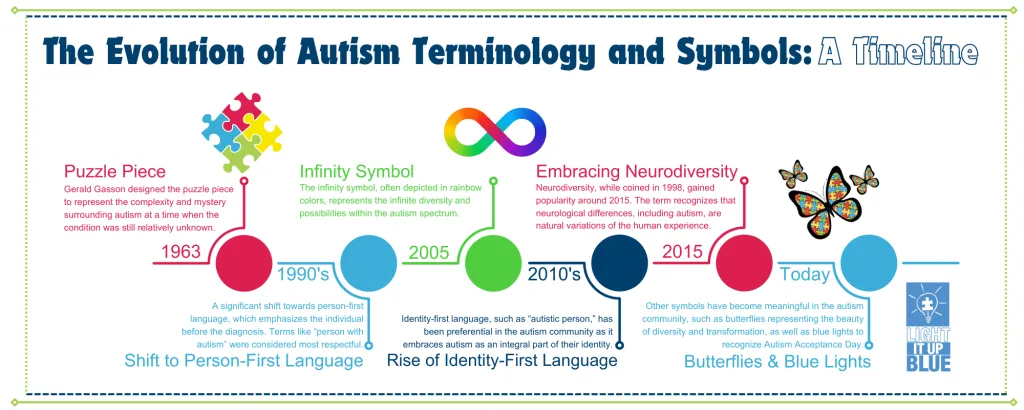
Early understandings of autism were shaped by limited scientific knowledge and broader misconceptions about child development. When Leo Kanner first described autism in 1943, he characterized it as a distinct condition marked by social withdrawal, communication differences, and a preference for routine. However, the medical community often misunderstood these traits, sometimes grouping autism with childhood schizophrenia or other psychiatric disorders due to superficial similarities. Early classification systems lacked nuance and struggled to capture the wide range of presentations now known as the autism spectrum. As a result, autism was viewed more as a behavioral or emotional disturbance than a neurodevelopmental difference. These early theories reflected the era’s limited diagnostic tools and the tendency to interpret complex behaviors through narrow psychoanalytic or pathological frameworks.
Before modern research reframed autism as a neurodevelopmental condition, many treatments were rooted in flawed assumptions. One of the most influential and damaging ideas was the “refrigerator mother” theory, popularized in the 1950s, which claimed that autism resulted from emotionally distant parenting—particularly cold or unresponsive mothers. This baseless belief not only stigmatized families but also delayed the pursuit of biological and developmental explanations. Other outdated approaches included institutionalization, aversive conditioning, and therapies aimed at suppressing autistic behaviors rather than understanding them. These methods often caused emotional harm and failed to address individuals’ actual needs. As scientific evidence grew, these misconceptions were ultimately discredited, paving the way for more compassionate, evidence-based models that recognize autism as a complex and lifelong form of neurodiversity rather than a product of faulty parenting or emotional deficits.
Calming Sounds
Listen to an example of nature sounds used for calming sensory input in therapeutic settings.