Effective Modern Therapies for Autistic Children
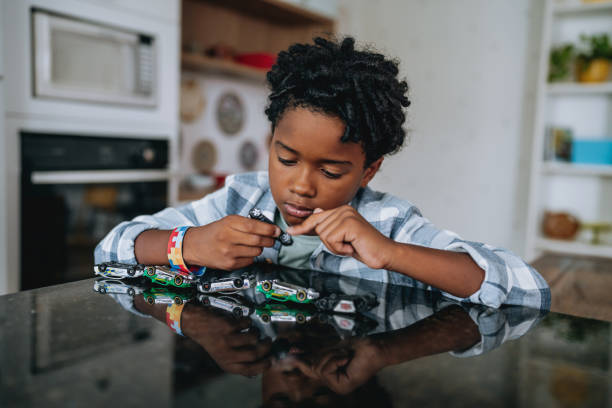
Autism care focuses on a variety of interventions designed to reduce symptoms that interfere with daily functioning and quality of life, as there is no single cure for autism spectrum disorder (ASD). The specific approach to care varies widely based on individual needs and the severity of symptoms. Early intervention, ideally at preschool age or younger, is a cornerstone of autism care, as a young child's brain is still highly "plastic" or changeable. Treatment often involves a combination of therapies, including: behavior-oriented treatments like Applied Behavior Analysis (ABA) that aim to re-condition target behaviors and develop vocational, social, cognitive, and living skills, providing positive reinforcement for useful skills; Speech and language therapy, which helps address difficulties with verbal and nonverbal communication; and Occupational therapy (OT), which focuses on developing skills for daily living. Social skills therapy and play therapy also support improved social interactions and emotional understanding. These services can be provided in various settings, including education, health, home, and community environments.
Autism is a lifelong condition, and care needs evolve across the lifespan. As individuals with ASD transition into adulthood, additional services help improve health, daily functioning, and community engagement. A key aspect of successful care involves the entire family unit. Caregivers are often trained to support learning and skill practice throughout the day. Patience, positive reinforcement, and respecting the individual's personal space and routines are crucial for effective interaction and support. While behavioral and developmental therapies are primary, medication may be used to help manage specific symptoms, such as irritability or attention difficulties, often associated with co-occurring conditions like ADHD. Various government and non-profit organizations, such as the Centers for Disease Control and Prevention (CDC) and Autism Speaks, provide resources, advocate for needs, and fund ongoing research into improving care and outcomes for individuals with autism. Healthcare providers also recommend routine developmental and autism-specific screenings during well-child visits to ensure early identification and access to care.
For questions, please contact Vonshawn via email.